
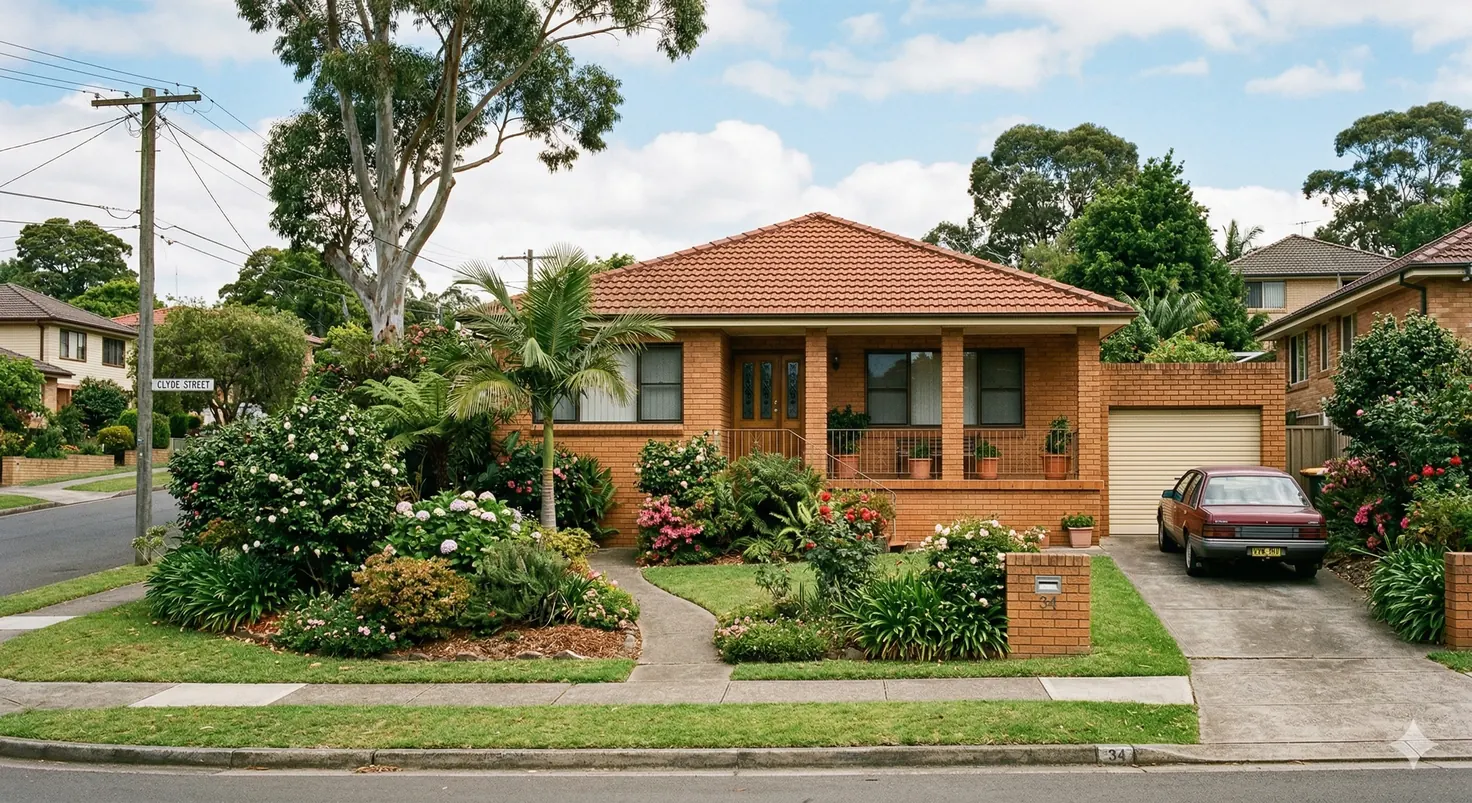
Pre-Purchase Roof Inspection Penrith: What Buyers in the Outer West Need to Know
By Elyas Bingley, The Leak Detective · Bingley Trade Services
The Penrith property market moves fast. First home buyers, upsizers, and investors are all competing for stock across Penrith, St Marys, Kingswood, Glenmore Park, and the rapidly expanding estates of Jordan Springs and Caddens — and in a competitive market, buyers are under pressure to make decisions quickly.
That pressure is exactly when due diligence shortcuts happen. And the most common shortcut we see Penrith buyers make is relying on a standard building and pest report to assess the roof.
It's an understandable mistake. Building inspectors are credentialed professionals and their reports carry authority. But under Australian Standard AS 4349.1-2007, a standard building inspection is a visual-only assessment. The inspector is not required to physically access the roof surface, enter the roof cavity, or provide the kind of specialist assessment that identifies the defects most likely to cost you money after settlement.
In Penrith — where roofs face some of the harshest conditions in Greater Sydney — that gap between what a building report covers and what is actually happening on the roof can be the difference between a sound purchase and an expensive one.
At Bingley Trade Services, we conduct specialist pre-purchase roof inspections across Penrith and the outer west. Here is everything you need to know before you sign the contract.
Why Penrith Roofs Demand Specialist Attention
Penrith's roofing environment is unique within Greater Sydney. The combination of extreme summer heat, severe storm activity, westerly winds off the Blue Mountains ranges, and a wide mix of housing stock across different eras and construction standards creates conditions where roof defects develop faster — and are easier to miss — than in most other parts of the city.
Roof surface temperatures in Penrith regularly exceed 70°C on peak summer days. That thermal stress accelerates the deterioration of bedding, pointing, sarking, and tile coatings across all roof types. Add to that the storm risk — the Insurance Council of Australia consistently identifies Penrith among the highest-risk postcodes in NSW for storm-related building claims — and you have a property market where an unexamined roof represents a meaningful financial risk for any buyer.
What Penrith's Housing Stock Looks Like — and Why It Matters
Penrith's property market spans a wide range of housing eras, each with distinct roofing characteristics and risk profiles. Understanding which era your target property falls into helps frame what to look for.
Pre-1990s Homes — Penrith, Kingswood, St Marys, Werrington
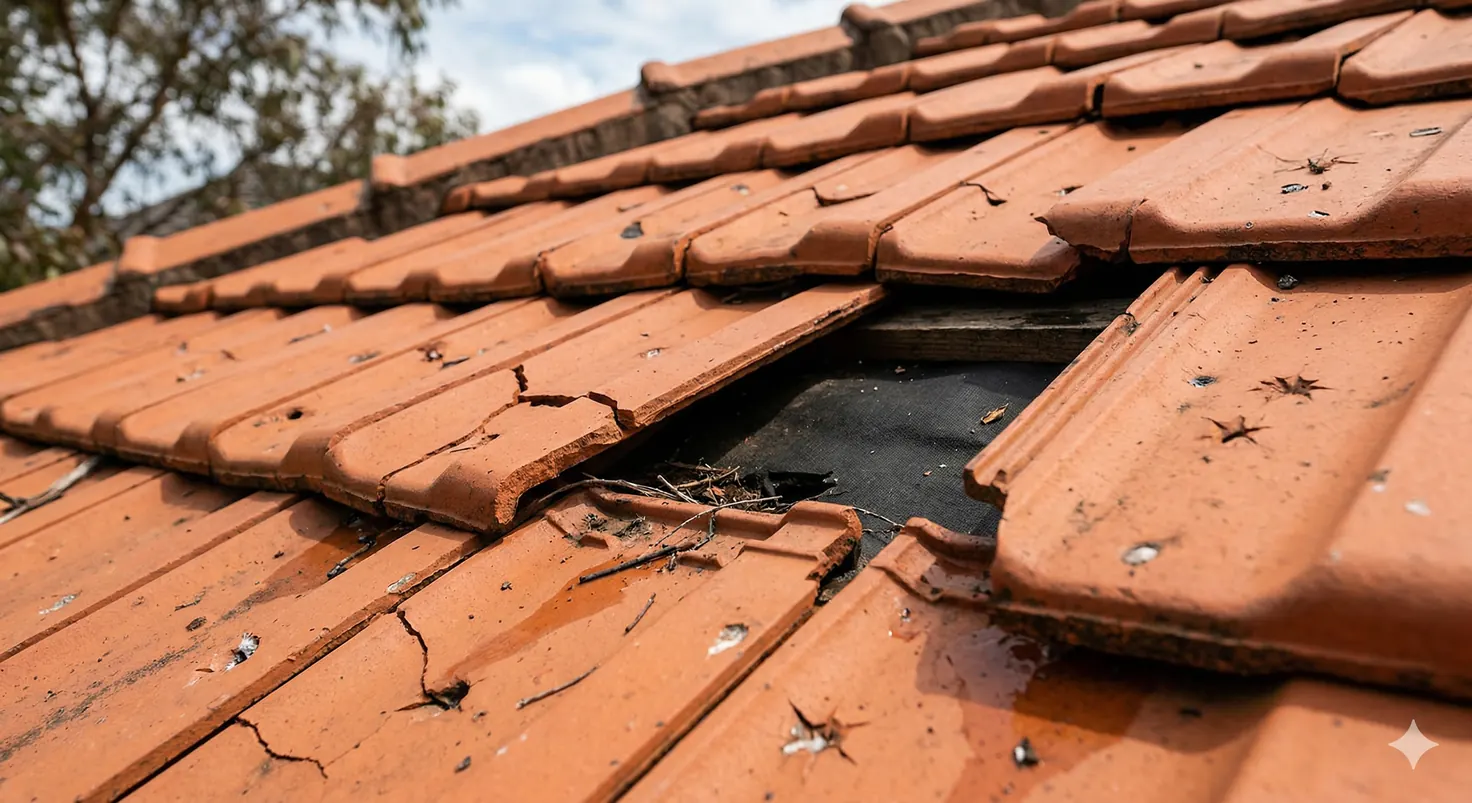
Older Penrith homes are predominantly brick veneer construction with terracotta tile roofing. These properties have strong bones — but the roofs are now 35–55 years old, and the original bedding and pointing on ridge and hip cappings is almost universally at or well beyond end of life.
Key risks on pre-1990s Penrith homes:
- Failed bedding and pointing — the mortar and flexible sealant holding ridge and hip cappings have degraded through decades of thermal cycling. Loose cappings are a water entry point and a safety hazard.
- Rusted valley iron — original galvanised valley iron is frequently rusted through on homes of this era. Water doesn't flow — it seeps under adjacent tiles and into the ceiling cavity.
- Absent or non-compliant sarking — many homes built before the late 1980s have no sarking beneath the tiles. In Penrith's bushfire-prone areas, this is both a weatherproofing and a safety compliance issue.
- Aged guttering — original galvanised steel guttering on homes of this era is frequently rusted through or undersized for the roof catchment area.
1990s–2010s Estate Homes — Glenmore Park, Cranebrook, Cambridge Park, St Clair
Homes built during Penrith's major estate development periods are typically brick veneer or lightweight construction with concrete tile or early Colorbond roofing. These properties are younger — but younger doesn't mean problem-free.
- Cracked concrete tiles — concrete tiles on homes of this era have often lost their protective surface coating, making them porous and brittle. Impact cracking from hail events is common and frequently invisible from the ground.
- Workmanship defects — rapid construction during estate development periods produced inconsistent quality. Poor flashing installation, inadequate sealing at penetrations, and incorrect sarking lapping are recurring findings.
- Deteriorated flexible pointing — polyurethane pointing on ridge cappings from this era has a typical service life of 15–20 years. On homes at the older end of this bracket, replacement is overdue.
Newer Estates — Jordan Springs, Caddens, Glenmore Park Stage 2, Werrington County
Newer Penrith estates feature modern construction with Colorbond sheet roofing or concrete tiles, typically installed within the last 10–15 years. While these roofs are younger, buyers should not assume they are defect-free.
- Fastener corrosion on Colorbond roofing — metal fasteners at penetration points and ridge fixings can corrode faster than the Colorbond sheeting itself, creating localised water entry points.
- Undersized guttering — newer Penrith estates frequently have guttering that is marginal for the roof catchment area and Penrith's peak rainfall intensity. Overflowing gutters are a near-universal complaint in suburbs like Jordan Springs.
- Skylight and penetration sealing — modern homes typically have more penetrations than older properties. Each is a potential water entry point if the installation was rushed or sealant has begun to fail.
What a Standard Building Report Won't Tell You
Under AS 4349.1-2007, a standard building inspector:
- Is not required to physically access the roof surface
- Is not required to enter the roof cavity
- Is not required to assess individual tile condition, valley iron integrity, or sarking compliance
- Is only obligated to report what is visible from the nearest safe vantage point — which on a single-storey Penrith home is typically the ground
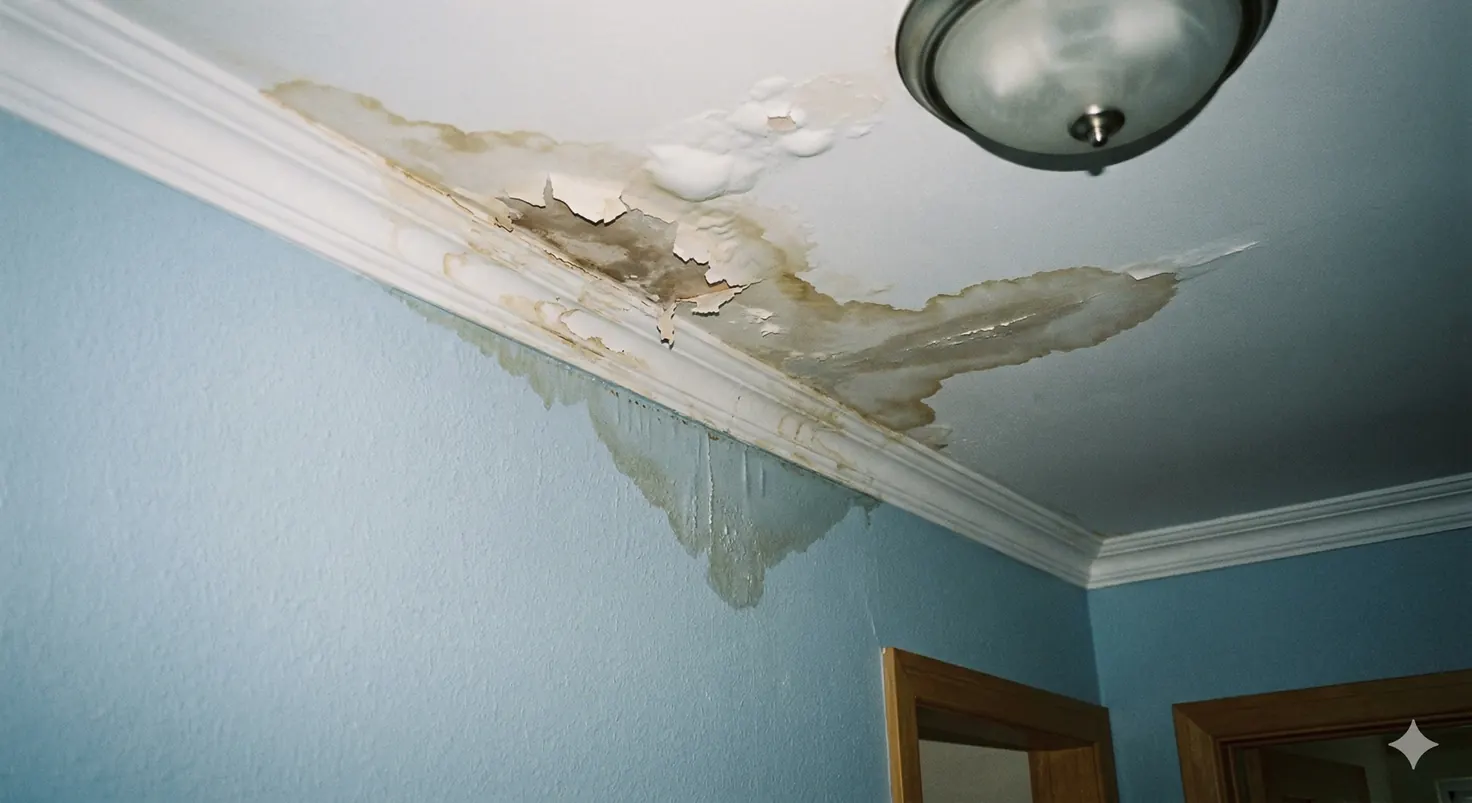
This means the inspector may note "roof tiles appear generally serviceable" while seven cracked tiles, two rusted valleys, and a failed skylight flashing sit entirely out of view on the rear slope. We see this scenario regularly across Penrith. Buyers receive a building report with a brief comment on the roof, assume the box has been ticked, and discover the reality three months after settlement when the first significant rain event arrives.
What the Bingley Pre-Purchase Inspection Covers
Every pre-purchase roof inspection by Bingley Trade Services includes full physical access — Elyas walks the roof surface, enters the roof cavity, and photographs every defect found. No ground-level guesswork.
Roof Surface
- ✓Physical walk of the entire roof surface
- ✓Tile condition — cracked, broken, slipped, porous, or misaligned tiles identified
- ✓Ridge and hip capping — bedding and pointing condition documented across full length
- ✓Valley iron — rust, deterioration, debris accumulation, and water flow capacity assessed
- ✓Sheet roofing — corrosion, fastener condition, sheet movement at penetrations
Roof Penetrations
- ✓All flashings — apron, step, and soaker flashings assessed for lift, corrosion, and seal integrity
- ✓Skylights assessed for frame condition, glass integrity, and flashing seal
- ✓Plumbing vents, whirlybirds, solar conduits, and exhaust fans checked
Roof Cavity
- ✓Full cavity inspection via manhole entry
- ✓Sarking assessed — condition, lapping, tears, and compliance with AS 3959-2018 where bushfire zone applicable
- ✓Timber battens and rafters checked for moisture damage, rot, sagging, and pest activity
- ✓Any light ingress through tile or sheet surface documented
Guttering and Drainage
- ✓Full gutter condition — rust, sagging, joint failure, and fascia board condition
- ✓Downpipe condition and discharge points checked
- ✓Sizing adequacy assessed relative to roof catchment area
- ✓Overflow risk identified and documented
Written Report
- ✓Delivered within 24 hours of inspection
- ✓Photographic evidence of every defect found
- ✓Priority rating for each item — urgent, maintenance, or monitor
- ✓Plain-English descriptions — no roofing jargon
- ✓Post-report phone consultation with Elyas included
Using Your Inspection Report in Purchase Negotiations
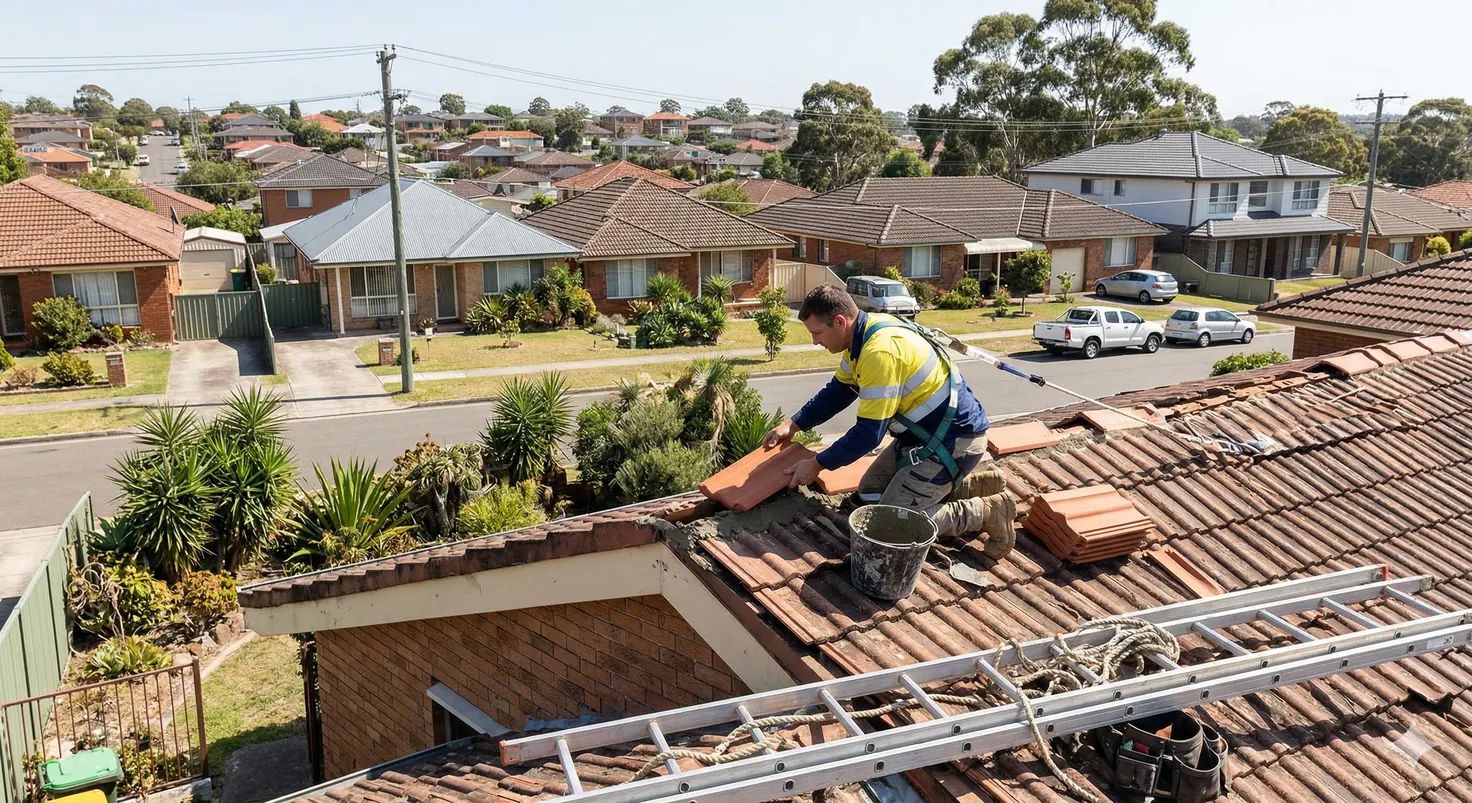
A Bingley pre-purchase inspection report is not just a record of what we found — it's a negotiation tool. In a competitive Penrith market, a detailed written report gives you:
- Hard numbers to negotiate with — every defect comes with a description of the repair scope, which your conveyancer or buyer's agent can use to request a price reduction or vendor rectification before settlement.
- A reason to request an extension — if defects are significant and you need additional contractor quotes, a formal inspection report provides grounds to request a cooling-off period extension.
- The option to walk away cleanly — if the scope of defects exceeds your budget or risk tolerance, the report gives you clear, documented grounds to rescind your offer. In NSW, buyers have a standard 5 business day cooling-off period — use it.
- Protection after settlement — a pre-purchase inspection report establishes a clear timeline that may support an insurance claim or legal action if a defect emerges post-settlement.
When to Book — Timing Your Inspection Correctly
Book your pre-purchase roof inspection as soon as your offer is accepted — ideally on the same day or the following morning. In NSW, the standard cooling-off period is 5 business days from exchange. That window moves quickly.
- Book immediately after exchange — run the roof inspection simultaneously with your pest and building report, not after.
- Allow 24 hours for report delivery — our reports are delivered within 24 hours, giving you time to review findings and seek contractor quotes before cooling-off expires.
- Share the report with your conveyancer — they can advise on whether identified defects support a price renegotiation or special conditions in the contract.
- Call Elyas after you receive the report — every inspection includes a post-report phone consultation. Understanding the severity and urgency of each defect helps you negotiate from a position of knowledge, not anxiety.
Penrith Suburbs We Cover for Pre-Purchase Inspections
Penrith LGA
Penrith, St Marys, Kingswood, Werrington, Cranebrook, Oxley Park, Cambridge Park, Colyton, Erskine Park, St Clair, Claremont Meadows, Glenmore Park, Regentville, Jamisontown, Emu Plains, Leonay, Jordan Springs, Caddens, Werrington County, Castlereagh, Mulgoa, Wallacia, Agnes Banks
Adjacent Areas
Nepean, Blaxland, and townships on the eastern Blue Mountains escarpment
Buying in Penrith? Book Your Roof Inspection Today.
Don't let an unexamined roof become your most expensive post-settlement surprise. We'll work around your cooling-off period timeline and get the report to you when you need it.