
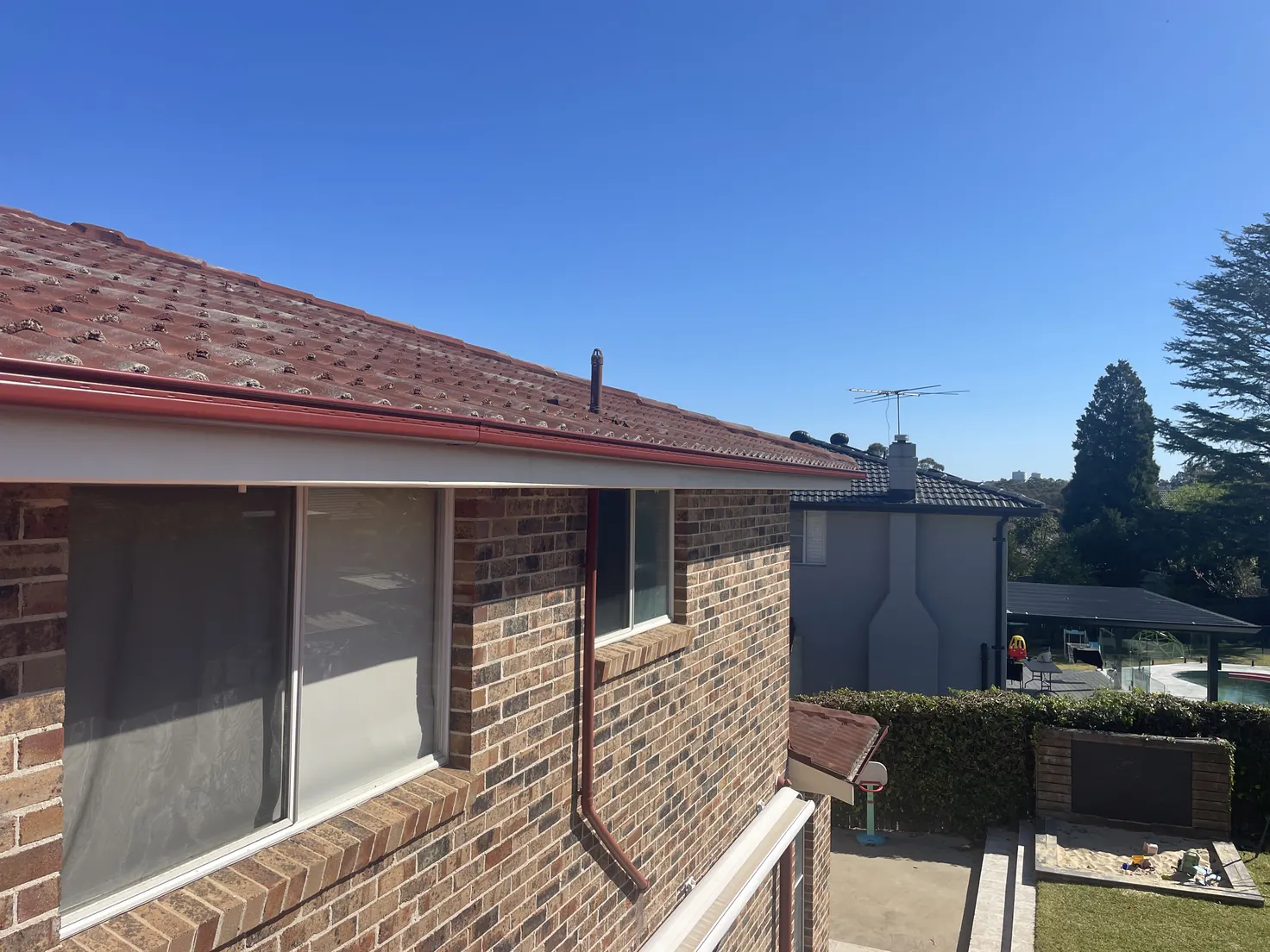
Pre-Purchase Roof Inspection Hills District: What Castle Hill Buyers Need to Know
By Elyas Bingley, The Leak Detective · Bingley Trade Services
Buying a home in the Hills District is one of the biggest financial decisions you'll ever make. Whether you're eyeing a federation-style home in Baulkham Hills, a newer brick veneer in Kellyville, or an established property in Castle Hill, the roof above your head deserves far more scrutiny than a standard building and pest report provides.
Building inspectors are generalists. They walk through a property, tick boxes, and move on. What they routinely miss — and what costs Hills District buyers thousands — are the roof defects hiding in plain sight: cracked terracotta tiles, failing valley iron, compromised pointing, and deteriorating sarking that only a trained roofing specialist will catch.
At Bingley Trade Services, we conduct pre-purchase roof inspections exclusively across Western Sydney and the Hills District. Here's what you need to know before you sign the contract.
Why the Hills District Presents Unique Roofing Challenges
The Hills District is home to a wide variety of housing stock — from 1970s brick homes with aged terracotta tile roofs, through to modern estates in Rouse Hill and Norwest with Colorbond or concrete tile roofing systems. Each comes with its own set of risks.
Older terracotta tile roofs (pre-1990s) are common across Castle Hill and Baulkham Hills. These roofs are now well past their typical service life for bedding and pointing, meaning ridge and hip cappings can be loose, cracked, or completely detached — leaving the roof open to water ingress during the next heavy downpour.
Newer homes in Kellyville, Rouse Hill, and Norwest are often only 10–20 years old, but that doesn't mean they're problem-free. Poor workmanship, inadequate flashing around skylights and penetrations, and undersized guttering are recurring issues in estate-style developments throughout the Hills District.
The Hills District also sits in a bushfire-prone zone. Properties in BAL-rated areas have specific roofing compliance requirements under AS 3959-2018 (Construction of Buildings in Bushfire-Prone Areas). A pre-purchase roof inspection should confirm the roof assembly meets the relevant Bushfire Attack Level requirements — something a standard building report will not assess.
What a Standard Building Report Misses on the Roof
Under Australian Standard AS 4349.1-2007 (Inspection of Buildings), a standard pre-purchase building inspection is a visual-only assessment conducted from ground level or the nearest safe vantage point. Inspectors are not required to access the roof.
That means the inspector may never:
- Walk the roof surface to assess tile or sheet condition
- Inspect valley iron, flashings, and apron flashings up close
- Enter the roof cavity to check sarking, battens, and timber condition
- Assess the condition of penetrations including skylights, whirlybirds, and plumbing vents
- Check for signs of previous repairs or patchwork that could indicate recurring issues
At Bingley Trade Services, Elyas physically accesses the roof during every pre-purchase inspection — walking the surface, entering the roof cavity, and photographing every defect found. You receive a detailed written report with photos you can actually use in your purchase negotiations.
The 5 Most Common Defects Found on Hills District Roofs
1. Failed Bedding and Pointing on Ridge and Hip Cappings
The mortar (bedding) and flexible sealant (pointing) that hold ridge and hip cappings in place deteriorate over time. In the Hills District's climate — hot summers, cool winters, and increasingly intense storm seasons — this degradation accelerates. Loose or missing cappings allow water and vermin directly into the roof cavity.
Typical repair cost: $1,500 – $4,500 depending on roof size and extent of failure.
2. Rusted or Deteriorated Valley Iron
Valley iron channels water from intersecting roof planes down to the guttering. In older Hills District homes, valley iron is often galvanised steel that has long since rusted through. Water doesn't flow — it seeps under adjacent tiles and directly into the ceiling.
Typical repair cost: $800 – $2,500 per valley.
3. Lifting or Missing Flashing
Flashings seal the junction between the roof surface and vertical structures — walls, chimneys, skylights, and parapet walls. When flashings lift, corrode, or were never correctly installed, water tracks silently behind the roof cladding for months before a ceiling stain appears.
Typical repair cost: $400 – $1,800 per flashing depending on complexity.
4. Damaged or Absent Sarking
Sarking is the reflective foil or breathable membrane installed beneath roof tiles or sheeting. It acts as a secondary weather barrier and provides significant thermal and bushfire protection. In many Hills District homes, sarking is damaged, incorrectly lapped, or missing entirely.
Typical repair cost: $3,000 – $8,000+ for full sarking replacement.
5. Undersized or Blocked Guttering and Downpipes
Hills District properties — particularly those built in the 1980s and 1990s — frequently have guttering that is undersized for the roof catchment area or blocked with debris. In heavy rainfall events, overflowing gutters force water back under the eaves and into the wall cavity.
Typical repair cost: $600 – $2,500 for guttering replacement and downpipe upgrades.
How Much Could a Roof Defect Actually Cost You?
A buyer purchases a home in Castle Hill. The building report notes the roof is "generally serviceable with minor maintenance recommended." Three months after settlement, a storm rolls through and water appears at the cornicing in the main bedroom. A roofing contractor investigates and finds failed valley iron, cracked ridge cappings, and damaged sarking.
Total repair quote: $9,200.
The building inspector's fee was $550. A Bingley pre-purchase roof inspection would have been a fraction of that repair bill — and given the buyer the leverage to negotiate a price reduction or request rectification before settlement.
What's Included in a Bingley Pre-Purchase Roof Inspection
- Full physical roof access — we walk the surface, not just view from the ground
- Roof cavity inspection — we enter the manhole and assess timber, sarking, and insulation condition
- Guttering and downpipe assessment — including overflow risk and sizing adequacy
- Photographic evidence — every defect is documented with photos and clearly described
- Written report within 24 hours — ready before your cooling-off period expires
- Plain-English summary — no roofing jargon, just clear information you can act on
- Post-report phone consultation — Elyas will walk you through the findings
We service all Hills District suburbs including Castle Hill, Baulkham Hills, Kellyville, Rouse Hill, Norwest, Glenhaven, Round Corner, Dural, and Annangrove.
When Should You Book?
Book as soon as your offer is accepted — ideally within the first 2–3 business days of the cooling-off period. This gives you time to review the report, negotiate on defects, or walk away if needed. Don't wait until after the pest and building inspection is complete — a roof inspection is a separate, specialist service.
Buying in the Hills District?
Book your pre-purchase roof inspection today. We serve Castle Hill, Baulkham Hills, Kellyville, Rouse Hill, and all surrounding suburbs.